Welcome to the definitive guide to navigating the world of auto insurance in Massachusetts! Are you curious about what dictates your insurance premiums or how you can save more on your coverage? Look no further! This guide is designed to peel back the layers of auto insurance complexities with creativity and persuasion, making it simple and engaging for you to understand.
From deciphering the intricacies of mandatory vs. optional coverages to unveiling strategies that could help you save a fortune, we aim to empower you with knowledge. Understanding the factors influencing insurance costs and learning how to make informed choices can be the key to a future of smart driving and smart savings.






Understanding Basic Auto Insurance
Embarking on the journey through Massachusetts roads requires more than just a keen sense of direction; it demands an understanding of auto insurance. This essential coverage not only safeguards your vehicle but also your peace of mind.
Auto insurance in Massachusetts comprises various types of coverage tailored to meet both legal obligations and personal security. It’s a tapestry of mandatory safeguards and optional enhancements, each weaving into the fabric of protection.
Types of Auto Insurance Coverage Available in Massachusetts
In Massachusetts, auto insurance covers a spectrum of protection plans, each designed to shield you in different scenarios. These include:
- Bodily Injury Liability (BI): This coverage handles costs associated with injuries to others if you’re deemed responsible for an accident.
- Property Damage Liability (PD): It cushions the financial impact of damages inflicted on another’s property in an incident deemed your fault.
- Personal Injury Protection (PIP): PIP pays for medical expenses and, in some cases, lost wages, regardless of who caused the accident.
- Uninsured/Underinsured Motorist Coverage: This provides compensation when an at-fault driver’s insurance is insufficient or nonexistent.
Mandatory Versus Optional Coverages
Massachusetts law engraves a distinct line between what’s required and what’s additional in the auto insurance realm. Here’s a breakdown:
- Mandatory Coverage: Includes Bodily Injury Liability, Personal Injury Protection, and Property Damage Liability.
- Optional Exquisites: Drivers can amplify their coverage with options like Comprehensive Insurance—covering theft or non-collision damage—and Collision Coverage, which addresses repairs from accidents.
Understanding the line between compulsory and optional can tailor your policy to best fit your lifestyle while ensuring you meet legal stipulations.
Minimum Coverage Requirements Under Massachusetts Law
With regulatory frameworks in place, Massachusetts mandates a baseline for insurance coverage. These legal necessities ensure that all drivers hold:
| Coverage Type | Minimum Required |
|---|---|
| Bodily Injury Liability | $20,000 per person, $40,000 per accident |
| Property Damage Liability | $5,000 per accident |
| Personal Injury Protection (PIP) | $8,000 per person |
| Uninsured Motorist Coverage | $20,000 per person, $40,000 per accident |
Meeting these minimums is not just about checking a legal box—it’s about developing a comprehensive safeguard for your automotive adventures.
Factors Influencing Auto Insurance Costs

Imagine cruising through the streets of Massachusetts, the wind in your hair, feeling unbeatable, but what about your auto insurance rates? Understanding the intricacies behind these rates can help you steer your financial wheels wisely.
Let’s delve into the myriad factors that influence what you pay for auto insurance in Massachusetts. These elements shape your premium into a personalized cocktail. Some you can control, others, not so much—but knowing is half the battle.
Key Determinants of Insurance Premiums in Massachusetts
Each auto insurance policy is as unique as the driver it covers. Here are the major elements that Massachusetts insurers consider when calculating your premium:
- Age: Young and inexperienced drivers often face higher rates due to increased risk factors.
- Type of Vehicle: The make and model of your car, its age, and even its repair costs directly impact your premium.
- Driving History: Clean records merit lower rates, while accidents or traffic violations can raise premiums.
- Coverage Level: Selecting comprehensive coverage can offer peace of mind but at a higher price.
Comparison: Age, Vehicle Type, and Driving Record
Delving deeper into specific factors, we use a comparison to illustrate how age, vehicle type, and driving history can impact your insurance rates. Understanding these can help in decision-making when purchasing or negotiating insurance.
| Factor | Impact on Rates |
|---|---|
| Age | Drivers under 25 and over 65 may see higher premiums due to risk potential. |
| Type of Vehicle | Luxury vehicles or those with high theft rates often cost more to insure. |
| Driving History | An impeccable record can greatly reduce rates, while violations will likely increase them. |
Geographic Influence in the Bay State
Believe it or not, your zip code plays a significant role in determining how much you fork out for auto insurance. The picturesque scenery of Massachusetts’ various locations paints different pictures for insurers.
Urban areas like Boston tend to have higher premiums due to increased traffic congestion and higher accident rates. Conversely, rural areas in western Massachusetts might offer a respite with lower costs due to fewer cars on the roads.
The densities of your surroundings and the pulse of local traffic create a symphony that insurers listen closely to.
Average Costs of Auto Insurance in Massachusetts
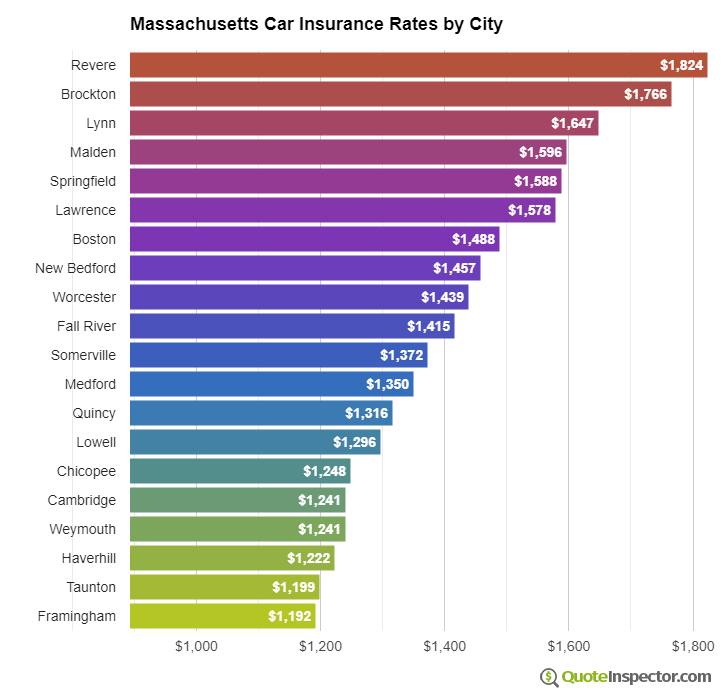
Driving through the charming streets of Massachusetts comes with its own set of financial implications, particularly when it comes to auto insurance. Let’s delve into what it typically costs to insure your vehicle in the Bay State.
With bustling cities and serene countrysides, Massachusetts offers diverse landscapes for drivers. But how does this diversity impact your insurance premium? Let’s examine the numbers to understand the average costs of auto insurance in the state.
Detailed Statistics on Average Insurance Premiums
On average, Massachusetts drivers pay about $1,200 annually for car insurance, although this figure can fluctuate based on various factors such as the driver’s history, the type of vehicle insured, and more. These premiums are generally higher in urban areas compared to the quieter towns.
To provide a clearer picture, consider the following table that compares average annual insurance costs in different cities across Massachusetts:
| City | Average Annual Premium |
|---|---|
| Boston | $1,500 |
| Worcester | $1,300 |
| Springfield | $1,250 |
| Lowell | $1,220 |
| Cape Cod | $1,100 |
Trends in Insurance Premiums Over the Last Five Years
Historically, insurance premiums in Massachusetts have seen an uptrend due to varying factors like inflation and increasing car repair costs. Over the past five years, there has been a consistent increment of approximately 3-5% annually, influenced by the rising medical costs and the frequency of severe weather events that lead to more claims.
Understanding these trends and statistics can help you make informed decisions while navigating your auto insurance options in Massachusetts.
Strategies to Lower Auto Insurance Premiums
Many drivers in Massachusetts are in search of ways to lower their auto insurance costs without compromising on coverage. The good news? There are several strategies that can make your premiums more affordable.
From leveraging discounts to improving your credit score, these methods can provide significant savings on your insurance policy. Let’s explore some effective strategies you can employ today.
Maximize Available Discounts
Insurance companies often offer a variety of discounts that can significantly reduce your premium costs. Make sure to inquire about these options when shopping for or renewing your policy:
- Good Driver Discount: If you’ve maintained a clean driving record, you could qualify for reduced rates.
- Multi-Policy Discount: Bundling your auto insurance with renter’s or home insurance may save you a substantial amount.
- Student or Professional Discounts: Many insurers offer special rates to students who maintain high grades or to members of professional organizations.
Always ask your insurance provider which discounts are available to ensure you’re receiving the best possible rate.
Improve Your Credit Score
Did you know that your credit score can impact your insurance premiums? Insurers often use credit-based scores as a factor in determining your rates. Here’s how improving your credit can benefit you:
“The higher your credit score, the lower your risk appears to insurers, often translating into reduced premiums.”
By paying bills on time, reducing debt, and regularly reviewing your credit report for errors, you could potentially see a decrease in your insurance costs. It’s a worthwhile endeavor not just for your auto insurance, but for your overall financial health.
Comparing Insurance Providers in Massachusetts
When it comes to choosing an auto insurance provider in Massachusetts, the options are plentiful, but not all companies are created equal. Each provider comes with its own strengths and differences, particularly in areas such as customer satisfaction and claim handling.
Understanding these variations can help you make a well-informed decision that aligns not only with your budget but also with your expectations for service quality.
Customer Satisfaction and Claim Handling
The quality of customer service and the efficiency of claim handling often play critical roles in determining the right insurance provider. Massachusetts hosts a variety of insurance companies, each with different ratings by customers.
“Your insurance is only as good as the service it provides when you need it the most.”
Industry leaders such as Liberty Mutual, Progressive, and GEICO rank high in customer satisfaction, offering dedicated support services and streamlined claims processes. Liberty Mutual, headquartered in Boston, boasts strong local services. In contrast, Progressive and GEICO are renowned for their user-friendly online tools and 24/7 customer support, though some users report varied experiences with claim resolutions.
| Insurance Provider | Customer Satisfaction | Claim Handling Rating | Key Features |
|---|---|---|---|
| Liberty Mutual | 4.6/5 | 4.5/5 | Multi-policy discounts, Accident forgiveness |
| Progressive | 4.4/5 | 4.4/5 | Snapshot® program, Name Your Price tool |
| GEICO | 4.5/5 | 4.3/5 | 24/7 Customer service, Mobile app convenience |
Legal and Safety Considerations
Navigating the complex web of auto insurance can be daunting, especially when you factor in Massachusetts’ distinct legal landscape. Keeping yourself informed not only helps you stay compliant but also enhances your financial protection on the road.
Massachusetts, a no-fault state, requires drivers to carry specific types of auto insurance coverage to ensure protection and accountability. This nuanced legal requirement is crucial for every vehicle owner to understand, as unpreparedness can have severe repercussions.
Understanding Massachusetts’ Auto Insurance Laws
In Massachusetts, the law is clear: to drive legally, you need adequate insurance coverage. The state mandates certain insurance essentials, making it vital for drivers to ensure they meet these requirements. Failing to do so goes beyond financial penalties; it bears legal consequences that could disrupt your daily life.
A failure to maintain the required insurance can result in your driver’s license and vehicle registration being suspended. Moreover, if caught driving without insurance, Massachusetts imposes harsh fines, sometimes even bridging to criminal charges depending on the circumstances.
The Impact of Skimping on Coverage
The temptation to economize by minimizing your coverage might seem wise at first, but Massachusetts is stringent about its insurance laws. After an accident, the financial fallout can be devastating if you’re inadequately covered. It’s not just about obeying the law—it’s about ensuring you’re shielded from unforeseen damage or injury costs.
The Role of Vehicle Safety Features in Insurance Rates
Insurance companies often assess premiums based on risk, and much of that risk evaluation hinges on the safety features inherent in your vehicle. Modern cars equipped with advanced technologies like anti-lock brakes, airbags, and electronic stability control tend to attract lower insurance rates.
Safety innovations significantly alter risk assessments, offering you a dual benefit: enhanced personal safety on the road and potential reductions in your auto insurance premium. These features often translate into less severe accident outcomes, prompting insurers to offer discounts and favorable terms.
Summary
As you embark on the journey of managing your auto insurance, remember that knowledge is your greatest ally. Armed with the insights from this guide, you’re now equipped to make decisions that not only safeguard your vehicle but also your finances. So, buckle up and steer confidently on the road to savings and security in the Bay State. Happy driving!
Answers to Common Questions
What are the mandatory coverages for auto insurance in Massachusetts?
Massachusetts requires drivers to have minimum coverages, including Bodily Injury to Others, Personal Injury Protection (PIP), Uninsured Motorist Coverage, and Damage to Someone Else’s Property.
How do age and vehicle type affect auto insurance rates?
Younger drivers typically face higher insurance rates due to less driving experience, while safer or less expensive vehicles generally help reduce insurance premiums.
How can I lower my auto insurance premiums in Massachusetts?
Consider bundling insurance policies, maintaining a clean driving record, improving your credit score, and benefiting from available discounts like good driver or multi-policy discounts.
Why does geographic location impact auto insurance costs?
Certain areas may have higher risks of accidents or theft, impacting insurance costs. Urban areas in Massachusetts tend to have higher premiums compared to rural regions.
Which Massachusetts city has the lowest average auto insurance rate?
Smaller, less densely populated cities like Worcester often have lower average auto insurance premiums compared to cities like Boston.