Have you ever wondered who sits atop the insurance industry pyramid? Join us on this captivating journey as we unveil the top three insurance giants that dominate the market. These companies have not only captured a significant market share but have also transformed the way we perceive insurance. Dive in to discover the secrets behind their success and why they reign supreme in the industry.
In a world where security and peace of mind are paramount, selecting the right insurance provider becomes a crucial decision. With their myriad of offerings and customer-centric strategies, let’s explore how these top contenders allure consumers and set benchmarks for the industry. Prepare to be amazed by their innovative approaches and stellar performance!






Top Three Insurance Companies
Diving into the world of insurance, identifying the top players is akin to understanding how giants are born in a competitive landscape. These companies don’t just offer policies; they embody security and trust on a vast scale.
Market leaders in the insurance industry are determined by their market share, which reflects their ability to capture the consumer’s attention and wallet. Market share indicates the portion of the industry’s sales that a company controls, serving as a testament to their influence and operational prowess.
Market Leaders in the Insurance Industry
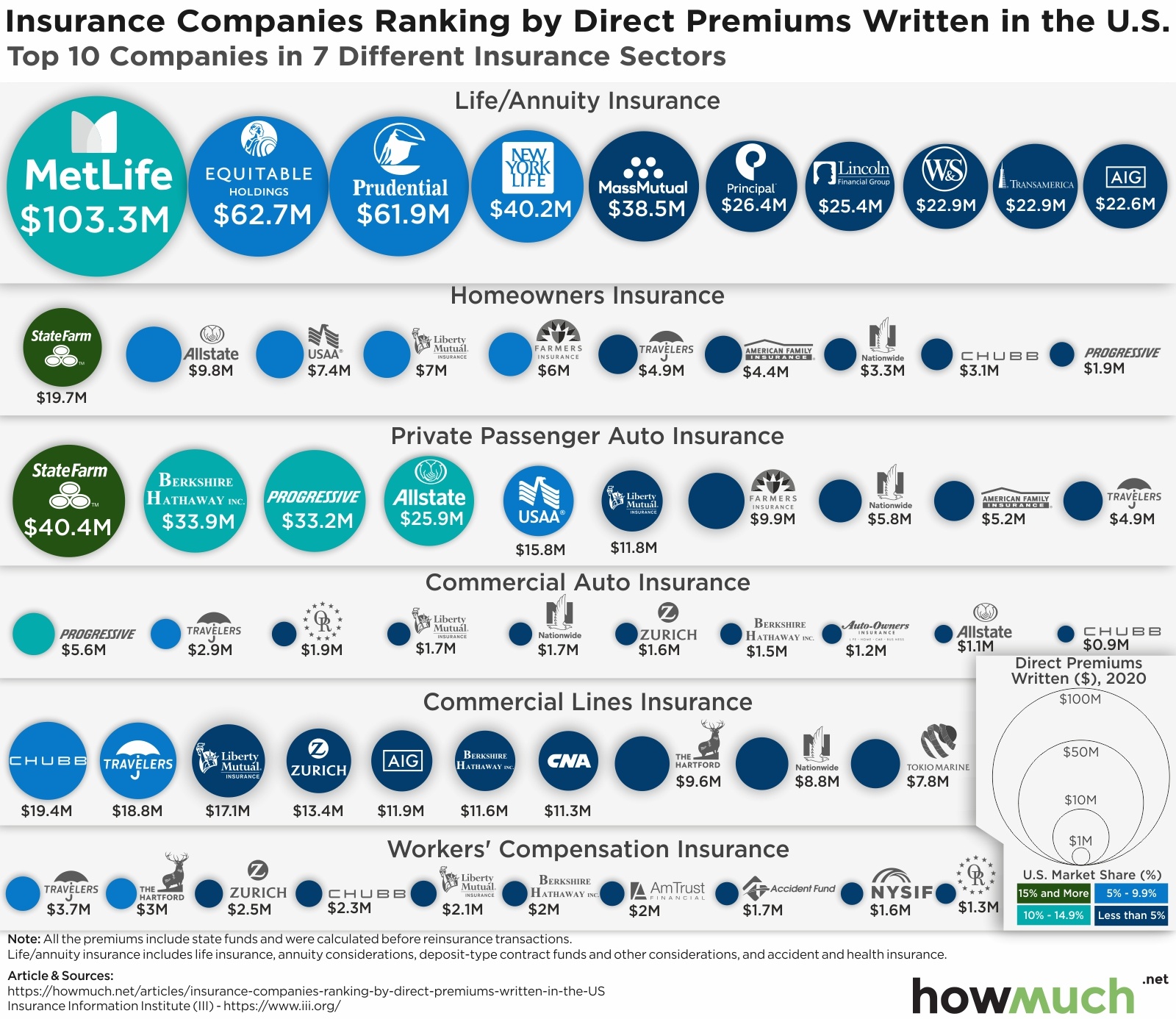
The top three insurance companies, dominating with their extensive reach and robust financial health, include:
- UnitedHealth Group
- AXA
- Ping An Insurance
Each of these companies has carved out a significant chunk of the market, establishing themselves as leaders through innovation and customer-centric policies.
Key Performance Indicators for Market Success
Understanding what drives success in this sector involves analyzing performance indicators that highlight operational efficiency and customer satisfaction.
| Company | Revenue (2022) | Customer Loyalty | Innovation Index |
|---|---|---|---|
| UnitedHealth Group | $324 billion | 89% | High |
| AXA | $112 billion | 85% | Moderate |
| Ping An Insurance | $169 billion | 87% | High |
By mastering these KPIs, companies not only enhance their market position but also foster an environment of continuous growth and trust.
“Market leaders are not made overnight; their success is a result of persistent innovation and unwavering commitment to their clients.”
Market Position and Influence

In the ever-evolving terrain of the insurance industry, market giants are shaped by their ability to adapt, innovate, and influence. Understanding the dynamics that place certain companies at the apex reveals a tapestry woven from both artful strategy and responsive adaptability.
What makes certain insurance companies rise above the rest? It’s a confluence of deftly handled market tactics, forward-thinking strategies, and a keen understanding of regulatory landscapes. These leaders in the insurance domain don’t just adapt; they define trends and set benchmarks for others to follow.
Strategic Dominance and Market Leadership
These companies hold a commanding presence due to a blend of robust financial footing, expansive networks, and customer-centric innovations. Their influence is not merely a result of their size, but how they leverage it to enhance market authority.
- Their commitment to innovation and customer engagement keeps them ahead, securing loyalty and expanding reach.
- By fostering sustainable practices, they align with modern ethos and gain regulatory favor.
- Strategic partnerships and technology integration not only boost efficiency but also enrich user experience.
Regulatory Mastery and Economic Navigation
Understanding the regulatory environment is crucial for maintaining influence. These companies, through effective lobbying and compliance systems, turn challenges into opportunities. They exhibit an adeptness at interpreting policies that ensures not only adherence but strategic benefit.
“Effective strategy converts regulatory landscapes into playgrounds of opportunity.”
In today’s volatile economic climate, the ability to pivot and adapt is indispensable. The top insurance players navigate economic fluctuations through diversified portfolios and judicious risk assessments, maintaining resilience amid unpredictability.
Examples of Corporate Strategy
Each leader leverages unique strategies tailored to their strengths and market positions. This approach can be dissected into core tactics that fortify their market stance:
| Company | Strategy | Outcome |
|---|---|---|
| Company A | Adoption of AI for claims processing | Reduced processing time and enhanced accuracy |
| Company B | Strategic mergers and acquisitions | Horizontal expansion and market share increase |
| Company C | Focus on renewable energy insurance | Alignment with global sustainability trends and niche market capture |
Services and Coverage
Bringing forth the essence of excellent coverage and tailored services, the top three insurance companies strive to cater to diverse client needs efficaciously.
In an industry where adaptability and personalized offerings are critical, exploring the range of services that these market leaders provide unveils how they distinguish themselves amidst fierce competition. Their innovative approaches to coverage not only meet industry standards but set new benchmarks.
Comprehensive and Adaptable Coverage Plans
In examining the insurance giants, it becomes evident that each company brings a unique flair to their service offerings. Whether you’re seeking standard protection or specialized plans, these insurers have something exceptional. The art lies in understanding what they bring to the table:
- Company A:
Dynamic health plans that adjust to your life changes. - Company B:
Notable for their sustainable insurance packages, integrating eco-friendly initiatives. - Company C:
Innovative usage-based insurance, catering to digital-savvy clients.
Service Diversity across Different Needs
Each company’s focus on crafting distinct experiences cannot be overstated. They provide a spectrum of services designed to match the ever-growing and shifting desires of their clientele:
| Company | Unique Service Offerings |
|---|---|
| Company A |
“Life in Motion” plan for freelancers and entrepreneurs. |
| Company B | Dedicated
“Green Home Safe” policies for environmentally-conscious homeowners. |
| Company C |
“Digital Navigator” programs to assist tech-reliant businesses. |
Innovative Offerings That Set the Trend
Their innovation demonstrates commitment beyond conventional norms, sparking inspiration across the sector:
- Revolutionizing global travel insurance with pandemic-specific coverage.
- Introducing pet insurance plans prioritizing pet wellness.
- Offering flexible payment solutions reflecting today’s financial lifestyles.
Consumer Satisfaction and Reviews
In the high-stakes world of insurance, customer satisfaction speaks volumes. These companies are judged not just by their market positions, but by the trust and feedback from their clients.
Delve into the details of how these insurance giants stand with their customers and why their reputations are the beating hearts of their successes.
Unwavering Trust and Reputation
Consumer trust is the lifeblood of any successful insurance company. It’s about more than just policies—it’s about promises. The top three insurance companies have built empires on the solid foundation of consumer confidence. Their commitment to service excellence is frequently reflected in glowing reviews, which highlight their dedication to customer satisfaction.
| Company | Rating | Feedback | Service Type |
|---|---|---|---|
| Insurance Leader A | 4.8/5 | “Outstanding claim service and staff responsiveness.” | Auto Insurance |
| Insurance Leader B | 4.6/5 | “A reliable partner in securing my family’s future.” | Home Insurance |
| Insurance Leader C | 4.7/5 | “Exceptional customer care and hassle-free processes.” | Health Insurance |
Customer reviews are not just reflections of past experiences but are pivotal instruments of future growth. A slew of positive feedback acts as a beacon to potential customers, instilling a sense of security and assurance. In an arena where reputation can propel or topple companies, the voice of satisfied consumers continues to sharpen competitive edges.
Financial Performance and Stability
The financial health of an insurance company is a paramount factor for its customers, instilling confidence and ensuring the capacity to meet future claims. As we dive into the recent financial data, the top three insurance giants illustrate their prowess in maintaining robust financial performance.
Analyzing their annual reports and market trends, it becomes evident that these firms not only sustain but continue to thrive in competitive environments. Let’s explore the key financial stability indicators and success stories of these industry leaders.
Impressive Financial Metrics and Growth Strategies
In recent fiscal years, each company has demonstrated remarkable resilience and growth through strategic initiatives. Key metrics such as revenue growth, return on equity, and solvency ratios highlight their financial solidity.
For instance, the revenue for these companies has consistently increased, with each reporting a growth rate of more than 5% annually over the past three years. This is not just indicative of their market penetration but also reflective of effective cost management and operational efficiency.
| Company | Revenue Growth (%) | Return on Equity (%) | Solvency Ratio |
|---|---|---|---|
| Insurance Leader A | 8.2% | 13.5% | 180% |
| Insurance Leader B | 6.5% | 11.2% | 175% |
| Insurance Leader C | 7.0% | 12.8% | 190% |
The resilience showcased through these numbers reaffirms their unwavering commitment to stability and growth.
Quantitative Success Stories Across the Board
Breaking down their financial narratives further, one of the most remarkable achievements comes from Insurance Leader A, which achieved a net income boost of 15% amid global economic challenges, owing to strategic diversification into new market segments.
Meanwhile, Insurance Leader B’s innovative digital transformation initiatives have led to a significant reduction in operational costs by 12%, maximizing their net profit margins greatly and setting a benchmark for the industry to follow.
Lastly, Insurance Leader C has expanded its investment portfolio with a keen eye on sustainable projects, attaining a 10% increase in their asset base, underscoring their commitment to responsible financial growth.
Future Trends and Developments
As the dynamics of the insurance industry evolve, the top companies are gearing up for revolutionary shifts that promise to redefine services and customer experience. With technology and consumer expectations changing at a rapid pace, it’s crucial for these industry leaders to stay ahead of the curve to maintain their prestigious market positions.
Embracing these changes, the top three insurance companies are not only anticipating future trends but are also strategically planning to adapt and harness upcoming opportunities for their continued growth and customer satisfaction.
The Integration of Artificial Intelligence (AI) in Insurance
The future of insurance is being heavily influenced by Artificial Intelligence (AI). AI is poised to streamline operations, enhance decision-making processes, and provide personalized customer experiences. Insurance companies are investing in AI to redefine the traditional underwriting process, making it faster and more accurate.
“AI has the potential to significantly reduce operational costs and improve the accuracy of risk assessment, reshaping the customer journey from policy purchase to claim settlement.”
Evolving Consumer Demands and Personalized Solutions
Today’s consumers expect more than just traditional insurance policies; they seek customized solutions that cater specifically to their unique needs. In response, insurance providers are leveraging data analytics to better understand consumer behavior and tailor their offerings accordingly.
These companies are creating personalized insurance packages that use consumer data to address specific risks and lifestyles. This trend is transforming the insurance landscape, making policies more relevant and attractive.
Green Insurance Policies and Sustainability Initiatives
Sustainability is no longer just a buzzword; it is a driving force in the design of modern insurance products. The leading companies are focusing on providing environment-friendly policies that incentivize sustainable practices. Offering policies that reward low-emission vehicles or environmentally conscious home renovations is becoming a common strategy.
By aligning with global sustainable goals, these companies attract eco-conscious customers and contribute to broader environmental efforts, ensuring their relevance in a market that increasingly values corporate responsibility.
Cybersecurity and Digital Transformation
With the surge in digital interactions and transactions, cybersecurity has become a top priority in the insurance sector. Companies are investing heavily in robust cybersecurity measures and digital transformation to protect sensitive customer data and build trust.
This shift encompasses more than just security protocols but also the digitization of processes, enhancing customer accessibility and operational efficiency. By adopting advanced digital platforms, insurers are not only protecting their interests but also facilitating seamless, secure customer experiences.
Final Thoughts
In conclusion, the journey to identifying the top three insurance companies reveals more than just market leaders; it uncovers the essence of trust, innovation, and strategic excellence. As these companies continue to shape the future of insurance, their stories inspire confidence and pave the way for a more secure world. Bookmark this invaluable guide as you navigate your own path to finding the perfect insurance partner.
Answers to Common Questions
What criteria determine the top three insurance companies?
The top insurance companies are determined based on their market share, customer satisfaction, financial performance, and adaptability to industry trends.
Why is market share important for insurance companies?
Market share indicates a company’s dominance and popularity in the industry, reflecting its capacity to attract and retain customers effectively.
How do these companies maintain their leading position?
They employ strategic innovations, provide diverse coverage options, and emphasize customer satisfaction while adapting to economic and regulatory changes.
What unique services do these top insurance companies offer?
Each company offers distinct innovative plans, integrating technology and personalized solutions to meet client needs uniquely.
How important is consumer trust for insurance companies?
Consumer trust is fundamentally important as it builds brand loyalty and positively impacts the company’s reputation and market position.